
Human Connection Is Not a Hot New Trend
Lee Dydo · Dydomite
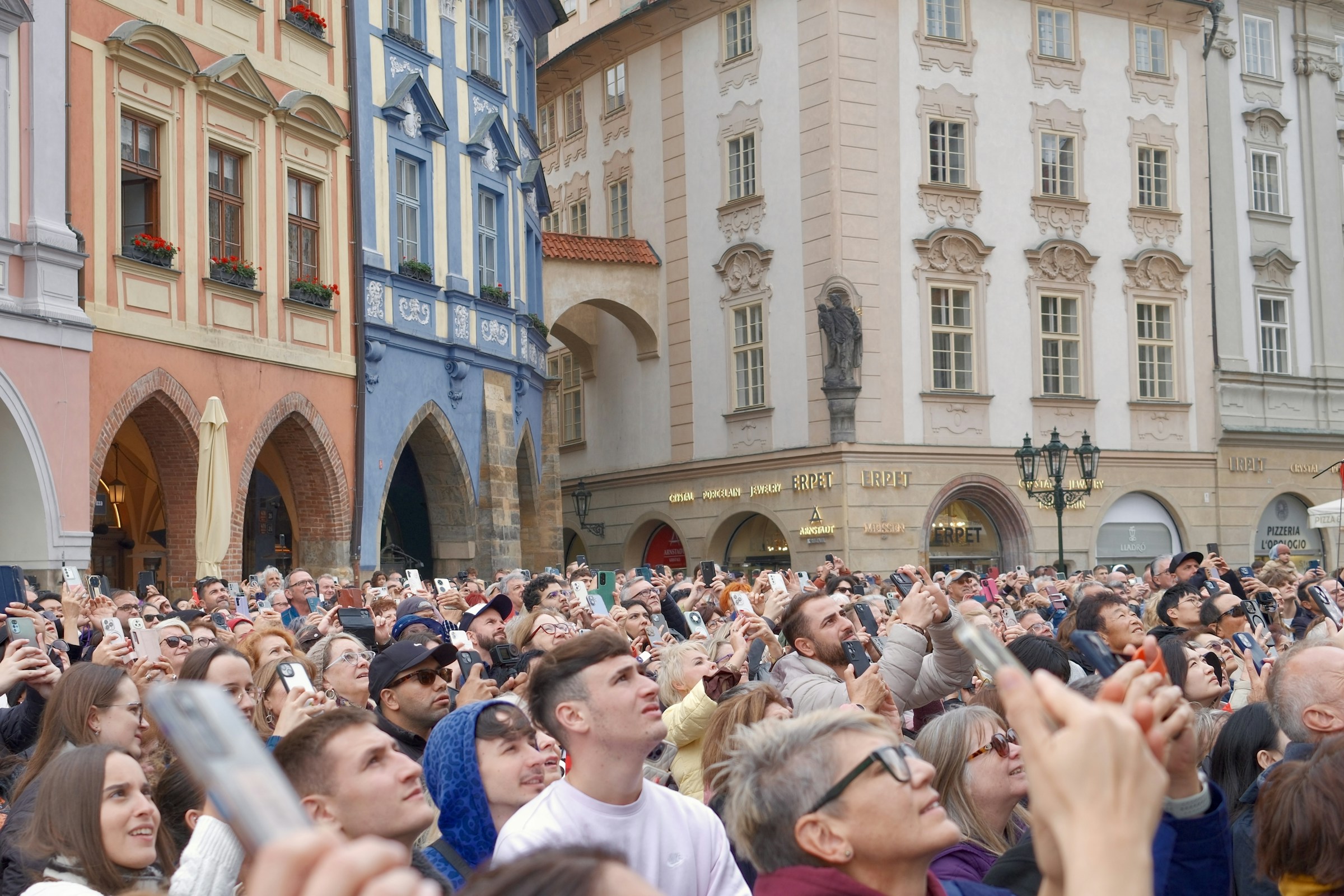
Photo by MingJun He on Unsplash
This week Ari Emanuel agreed with Ben Thompson that the desire for human connection is "going to skyrocket." A few days earlier, Ted Gioia wrote that people are rejecting screens and returning to communal events. He points to a DJ filling a Sydney stadium with 40,000 people, and to concert tickets taking a growing share of what people spend.
I don't doubt the crowds. I doubt the framing.
Demand for human connection isn't going up. It has been at full strength for the entire history of our species. We have always wanted to stand next to each other, sing together, eat together, and watch something happen in the same room. Nobody discovered that in 2026.
What changed is the supply.
The substitute got cheap
For the last 15 years, the cheapest thing to reach for was a feed. It was always there, it cost nothing up front, and it gave just enough of the feeling of being with people to keep us from going out to find each other. It worked the way junk food works on hunger. The appetite never went away. It got answered with something that doesn't satisfy.
So when stadiums fill up and ticket spending climbs, I don't read it as a new appetite. I read it as people noticing the substitute isn't working, and paying for the original again.
The evidence doesn't all run one way. The same week Gioia's piece ran, DIRECTV started letting sports fans put four games on one screen at home, and the LA Clippers began selling subscriptions to stream their games, two bets that people want more private screens. Both things can be true at once, and that's the point: the appetite for each other never left, the cheap substitute never left either, and the industry will keep selling both. The question is which one we choose to build.
That distinction matters for anyone who sells experiences. If you think connection is a trend, you'll treat it like one: ride it, package it, and move on when the next thing comes along. If you think it's a constant, you build for it the way you'd build for weather or gravity.
Where screens fit
I've spent my career putting screens in public places, so I have to ask the uncomfortable question: are those screens part of the substitute, or part of the original?
They can be either one. A screen in a lobby can be a smaller version of the phone in your pocket, one more feed asking for your eyes. Or it can be something people look at together, that belongs to the place, and that gives strangers a reason to stand side by side.
Two small projects from the past few weeks show the second kind. In Turin, the_local_aura used a camera, a 55-inch screen and a browser to wrap passersby in headlines about their own streets, filtered by street name. At MIT, Ocean of Dreams projected more than 430 hopes that people had submitted, across a public plaza. Neither one is expensive. Both are about the place and the people in it.
The test
Here's the question I've started asking about anything we build for a public space: would this get someone to look up, or pull them further into the screen?
That question doesn't change with the trend cycle, because the thing it measures doesn't either. People have wanted each other's company for as long as there have been people. The only open question is whether what we build gets in the way of that or makes room for it.
Published October 16, 2026