
Handled a lot, rarely bought
Lee Dydo · Dydomite
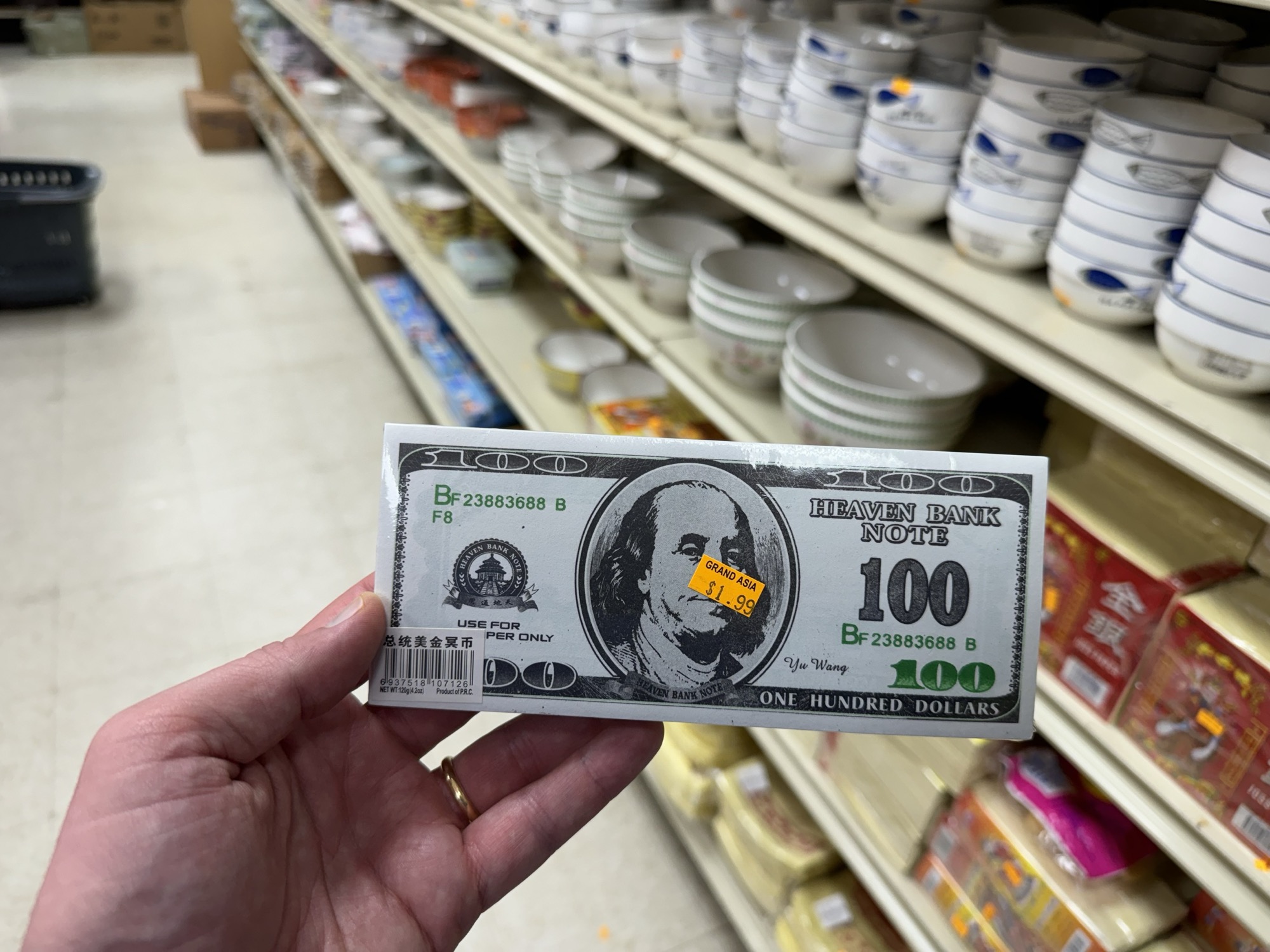
Picked up at Grand Asia. Photo: Lee Dydo
In 2016, Rebecca Minkoff's CEO, Uri Minkoff, told RFID Journal about a new item that went into the fitting room 60 times in one store over a single week. It sold once. Customers asked for a different size 20 times, "which means we had a fit issue," he said.
That number tells you more than a year of dwell-time reports. Sixty people wanted the piece enough to try it on. The size requests told the brand why they didn't buy it, and a fit problem is something a merchandiser can fix.
Retail has spent years measuring what people do in front of screens. The number that matters is what they do with the product: what gets picked up, and what goes back.
Most analytics face the wrong side of the glass
Most in-store analytics points at the screen. How many people walked past, how many looked, how long they looked. Quividi, one of the larger vendors, reports two billion audience impressions a month. The sales side shows up only "when sales data is connected."
Impressions are easy to count and hard to act on. Back in 2012, Digital Signage Pulse noted that even TV, after decades, had never pinned down what an impression is. Signage borrowed the unit anyway.
Online stores worked this out a long time ago. Nobody running an e-commerce site cares much about page views. They care about who added something to the cart and then left. Baymard Institute puts cart abandonment at about 70%, and retailers spend serious money working out why.
Physical stores have the same problem without the data
In 2017, the eye-tracking firm EyeFaster put mobile eye trackers on shoppers in six US stores. It found that picking up a product had the strongest link to buying it: 30% of products held were bought, rising to more than 60% when a shopper held more than one.
Turn that around and about 70% of the products those shoppers picked up went back on the shelf. That isn't the same measurement as online cart abandonment, and six stores is a small sample. But the two numbers sit side by side, and only one of them gets tracked.
Somebody has noticed. Capital One holds a patent, granted in December 2024, for detecting what it calls "in-person cart abandonment." It says the hard part in a physical store is knowing whether a customer picked something up and then put it back. A bank patented the problem. No retailer I could find has published an answer to it.
What the data don't say
The sensors to measure this have been around for years. Lift-and-learn displays, where picking up a product triggers content on a nearby screen, already log every pickup. So do RFID tags and weight sensors in shelves. Vendors sell this data, and some publish their own case studies.
I looked for a retailer that changed a shelf or planogram decision because of pickup data and published the result. I couldn't find one. The closest is Rebecca Minkoff again: in 2015 the company told Digiday that fitting-room data showed customers mixing and matching pieces, so it expanded the line from business wear into date-night and weekend clothes. That's one brand, in 2015, using fitting rooms instead of shelves.
The silence is the finding. Either retailers collect this data and keep it quiet, or they collect it and don't know what to do with it. I suspect it's mostly the second.
Where the money went instead
Walgreens tried the screen-first approach. Cooler Screens replaced cooler doors in Walgreens stores with ad screens, on the doors shoppers have to open to get a drink. Cooler Screens' 2023 lawsuit against Walgreens says the rollout reached about 700 of 2,500 planned stores before Walgreens ended the deal. The suit quotes a 2021 email from Walgreens' president listing frozen screens, missing prices and doors that sparked (Sixteen:Nine's coverage).
Cooler Screens says brands saw sales lifts. It hasn't published a number. A reader commenting on Sixteen:Nine's story put the shopper's view in three words: a "barrier to intent."
Point the sensors at the product
None of this needs cameras. A pickup sensor knows a product left the shelf. It doesn't know who picked it up, and it doesn't need to. Join that event to the sales record and you get a number that means something: tried on 60 times, bought once.
That's what a merchandiser, a category manager or a brand paying for shelf space can act on. Dwell time in front of a screen isn't.
Published October 8, 2026